
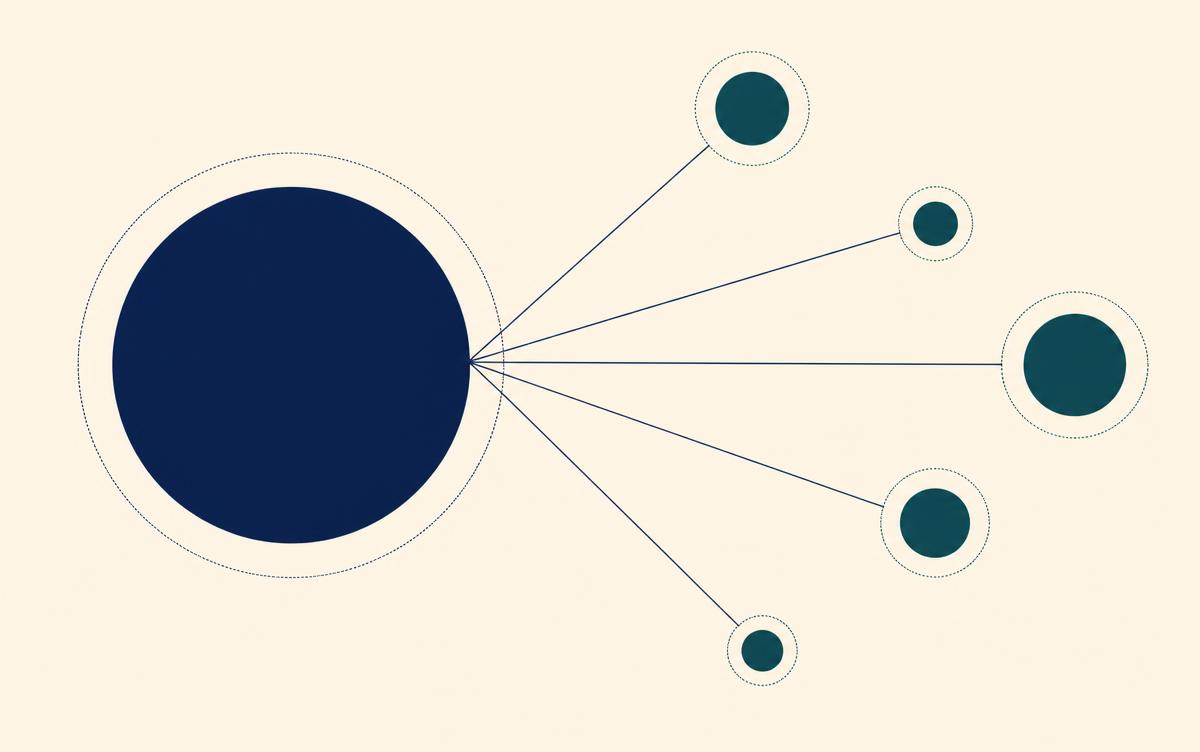
The practical difference is control. With signals you decide whether and how large to trade. With copy trading you delegate execution to a strategy provider and accept their sizing and timing on your account.
What signals leave with you
- The decision to take or skip each idea.
- Position sizing against your own risk limit.
- Execution timing and platform choice.
- The ability to stop instantly, with no open exposure created for you.
What copy trading takes on
- Automatic entry and exit on your account, including while you are away.
- The strategy provider's drawdown, transferred proportionally.
- Sizing decided by allocation settings you may not fully understand.
- Dependence on the platform's uptime and calculation method.
Evidence differs too
Copy platforms usually publish statistics; signal channels usually do not. Platform statistics are self-calculated and describe the strategy account rather than your realised outcome. They are not an independent audit.
Neither removes risk
Delegating execution does not reduce market risk; it adds counterparty and platform dependency to it. Read our copy-trading overview for the mechanics.
Independent editorial. This site may in future carry advertising or affiliate links; any such relationship is disclosed on the page it affects. None applies to this article.